


-

Add: HeBei ShengShi HongBang Cellulose Technology CO.,LTD.
-

Email
13180486930@163.com -

CONTACT US
+86 13180486930


We are a professional manufacturer of HPMC, and we located in Hebei Province Xinji provincial clean chemical Industry Park, in the Beijing Tianjin Hebei metropolitan area. The park is 250 kilometers away from Beijing and Tianjin, 250 kilometers away from the Capital Airport and Tianjin Airport, 100 kilometers away from Shijiazhuang Zhengding Airport, and 250 kilometers away from Tianjin Port; The Shihuang Expressway, National Highway 307, Provincial Hengjing Line, Shide Railway, and Shiqing High speed Railway pass through Xinji, with convenient transportation and unique location advantages for economic development relying on the central city, airport, and seaport. It is a key cultivated enterprise in Xinji City, covering an area of more than 80 acres, with 200 employees and 11 senior technical personnel. Our factory adopts the German horizontal kettle "one-step production process", with a 100% product quality rate to meet different customer needs. The daily production capacity has now reached 80-100 tons. Our company has more than 20 years of experience in cellulose production and sales, and has exported to more than 30 countries and regions, highly praised and trusted by users both domestically and internationally.
- 40000tons

Production
- 20+years

Experience
- 5000+㎡

Acreage

-
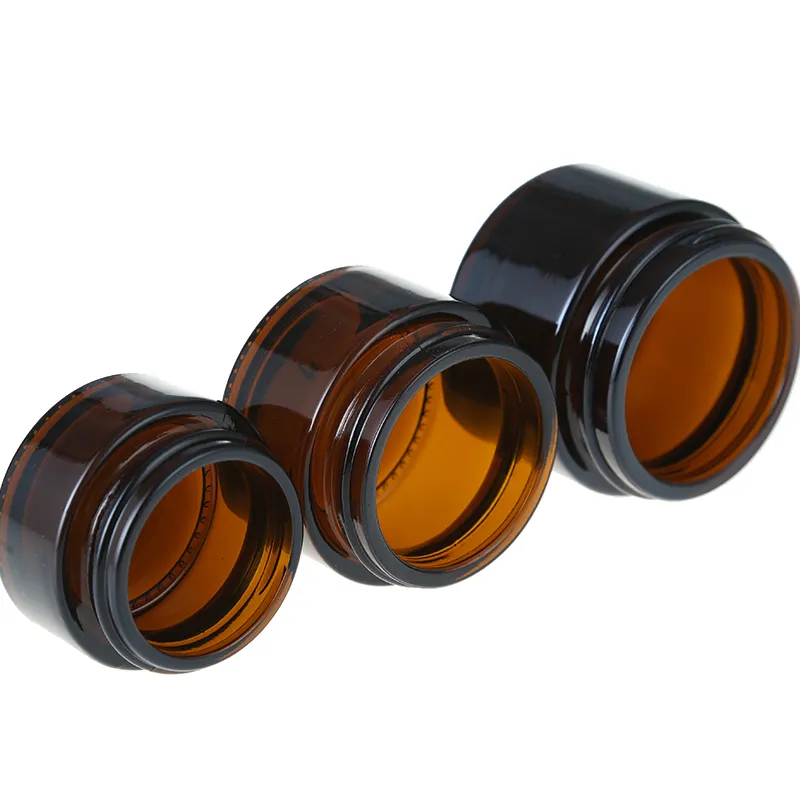
Powder rubber, an increasingly popular material in various industries, offers a myriad of applications ranging from automotive to packaging. Born from the need to recycle and repurpose end-of-life rubber products, powder rubber provides an eco-friendly alternative with far-reaching benefits. This article aims to explore the unique properties and applications of powder rubber, backed by insights and experiences from industry experts, while highlighting its expertise, authoritativeness, and trustworthiness. Powder rubber is derived from the grinding process of vulcanized and cured rubber , most commonly from used tires. The process yields a fine, powdery material which retains many of the original rubber's properties, such as flexibility, elasticity, and durability. This makes it a prime candidate for integration into new products that can benefit from these characteristics. In terms of experience, manufacturers utilizing powder rubber have reported significant improvements in their end products. For example, automotive companies have incorporated powder rubber into tire formulations, resulting in a reduction of raw material costs and an enhancement in tire performance due to its excellent abrasion resistance. Similarly, powder rubber is used in asphalt mixtures, offering improved road durability with reduced cracking—a direct benefit observed by municipal governments focused on infrastructure resilience. Expertise in the formulation and application of powder rubber is crucial. Process engineers emphasize the importance of particle size and distribution, which directly affect the performance attributes of the final product. Expertise in selecting the right grade of powder rubber for specific applications can vastly influence product success. As a result, companies often collaborate with specialized rubber compounding experts to tailor solutions that meet specific performance criteria. Authoritativeness is established through numerous case studies and research reports that back the efficacy of powder rubber. Research conducted by leading materials science institutions shows that products containing powder rubber can exhibit enhanced tensile strength and resilience under stress. Furthermore, rubber industry conferences often feature discussions centered around technological advancements in processing techniques for powder rubber, underscoring its growing importance in the materials science domain. powder rubber Trustworthiness stems from the commitment of the powder rubber supply chain to sustainability and quality control. Reputable suppliers offer thorough documentation and quality assurance processes, ensuring that each batch of powder rubber meets stringent standards. These safeguards build confidence among manufacturers who integrate powder rubber into their products, knowing that they contribute to an eco-conscious lifecycle. An insightful example can be drawn from the footwear industry, where powder rubber is frequently used in shoe soles. Brands committed to sustainable practices leverage this material to create eco-friendly products without sacrificing comfort and durability. The positive consumer feedback and repeat purchases substantiate the trust in powder rubber as a reliable material choice. The future of powder rubber looks promising, with ongoing research aimed at expanding its use in new arenas such as 3D printing materials and advanced composites. With continued investment in research and industry collaboration, powder rubber is poised to become a cornerstone of sustainable material innovation. It not only supports recycling initiatives but also offers a practical solution to the growing demand for high-performance, environmentally responsible materials. In summary, powder rubber represents a confluence of innovation, sustainability, and practicality, holding a significant place in modern manufacturing paradigms. Its utilization in diverse sectors serves as a testament to its versatility and effectiveness. As more industries recognize its potential, powder rubber will undoubtedly continue to shape the future landscape of eco-friendly materials and products.
-
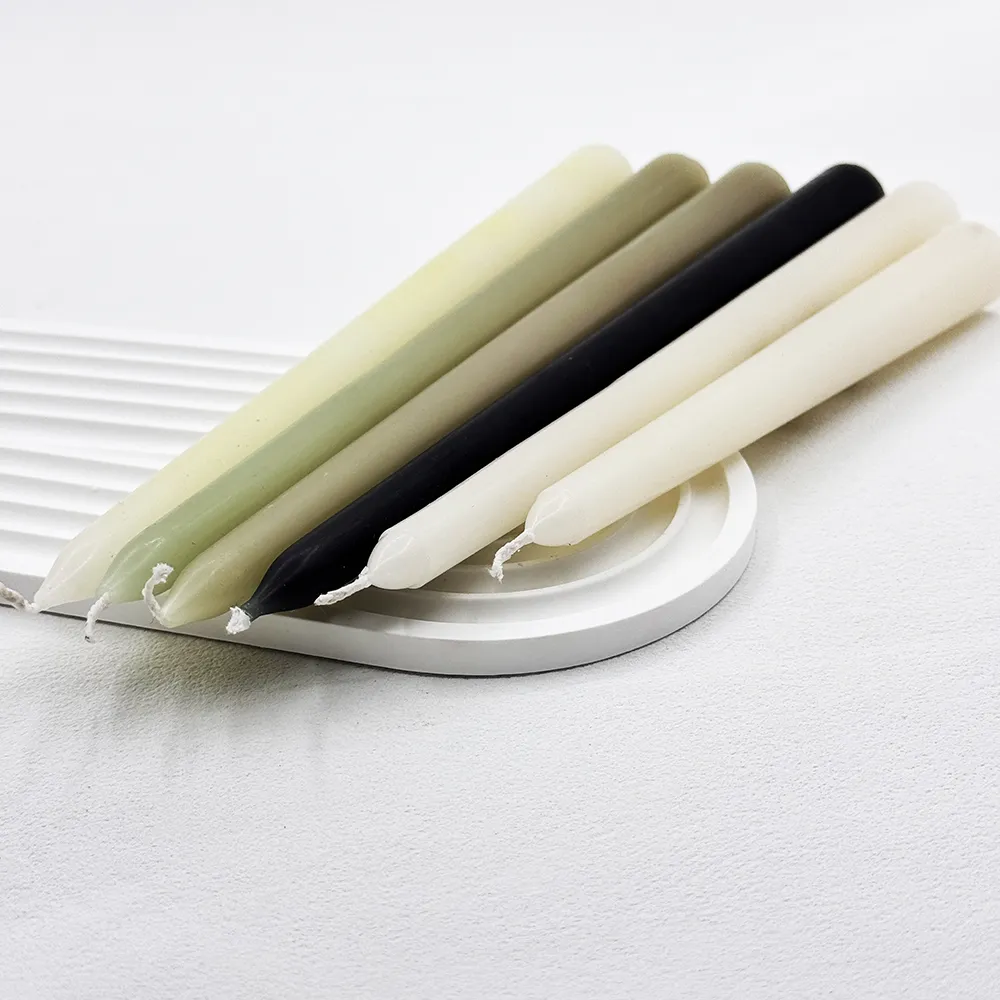
Hydroxypropyl methylcellulose (HPMC) is an exceptional multifunctional ingredient that finds various applications in the cosmetics industry . Renowned for its versatility, HPMC serves as a thickening agent, emulsifier, film former, and stabilizer, making it indispensable in the formulation of numerous beauty and personal care products. One of the most common uses of HPMC in cosmetics is as a thickening agent. Its unique ability to increase viscosity without impacting the appearance of products ensures a smooth application and uniform texture, which is crucial in products like creams, lotions, and gels. For instance, in facial moisturizers, HPMC adds a silky, luxurious feel, enhancing consumer experience while providing optimum hydration through a controlled release mechanism that ensures prolonged moisture retention on the skin. When it comes to emulsification, HPMC ensures that oil and water-based ingredients blend seamlessly in products such as foundations and sunscreens. This results in a stable emulsion that not only looks aesthetically pleasing but also enhances product performance by preventing the separation of ingredients over time. Customers can thus rely on a consistent product experience with every use, reflecting the brand's commitment to quality. HPMC's role as a film former is especially valuable in hair care products like styling sprays and gels. By forming a thin, invisible layer over the hair, it provides a protective barrier that shields the hair from environmental aggressors while maintaining style longevity. Consumers seeking long-lasting hold notice the difference that HPMC brings, as it effectively manages frizz without the undesirable crunchy or sticky residue commonly associated with some styling products. hydroxypropyl methylcellulose uses in cosmetics The stabilizing properties of HPMC are equally beneficial in maintaining the efficacy and shelf-life of cosmetics. It prevents ingredient degradation by acting as a preservative adjunct, thereby protecting sensitive active ingredients interspersed in formulations such as anti-aging serums and eye creams. This stabilization not only safeguards the product's effectiveness but also supports streamlined manufacturing processes, reducing the need for additional preservatives that could disrupt skin compatibility. Incorporating HPMC in formulation speaks to a brand’s expertise in developing advanced cosmetic solutions. Its multifunctional nature aligns perfectly with modern consumer demands for high-quality, performance-driven beauty products. Laboratories involved in product design value HPMC for its non-irritating, biocompatible nature, which minimizes adverse reactions, making products suitable even for those with sensitive skin. As an authoritative choice for cosmetic formulators seeking reliable and innovative solutions, Hydroxypropyl methylcellulose continues to be integral in shaping the future of cosmetics. Its adaptability and functionality firmly position it as an ingredient that not only meets but exceeds consumer expectations, ensuring that brands leveraging its qualities maintain a competitive edge in the ever-evolving beauty landscape.

advantages
-

200000 Viscosities
Excellent product
We can produce pure products up to 200,000 viscosities
-

40000 tons
High yield
We don’t stop production all year round, and the annual output can reach 40,000 tons
-

24 hours
Quality service
We provide 24-hours online reception service, welcome to consult at any time
———— Inquiry Form
Schedule A services


-
 Starch Ether: High Retention, Smooth Troweling, Low Dosage
Oct . 25, 2025
Starch ether boosts water retention, workability, open time, and anti-sag at low dosage. Ideal for dry mortar, tile adhesive, plaster, skim coat. Stable quality, competitive price. Get a quote now. -
 Wood Cellulose: Renewable, High-Purity Fiber Solutions
Oct . 25, 2025
Renewable, high-purity wood cellulose offers strength, consistency, and biodegradability. Ideal for packaging, textiles, bioplastics, filtration, and composites. Contact us for samples and pricing. -
 Redispersible Emulsion Powder: High Adhesion & Flex
Oct . 24, 2025
Redispersible emulsion powder boosts adhesion, flexibility, water resistance, and workability. Ideal for tile adhesives, EIFS, mortars, self-leveling, grouts. Request a sample and quote today.


